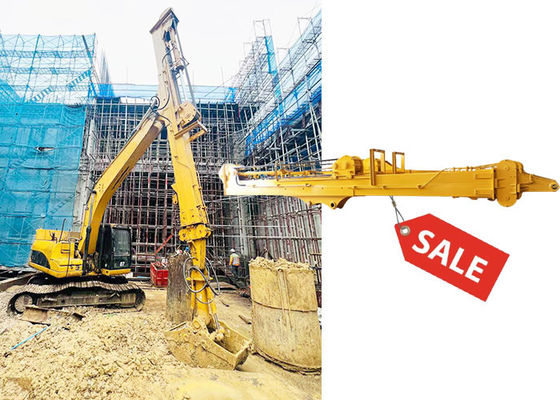
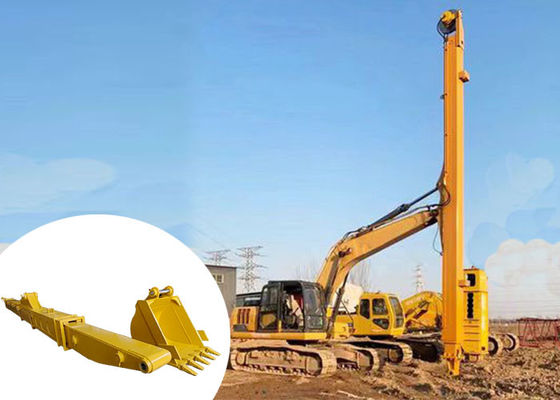
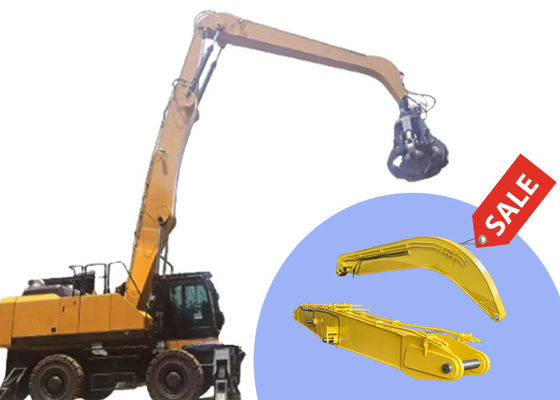
দীর্ঘ পরিসরের বুম, টেলিস্কোপিক আর্ম, বা টানেল আর্মের মতো বিশেষায়িত সংযুক্তির সাথে একটি খননকারীর আপগ্রেড করার সময়, অনেক অপারেটর কেবল প্রসারিত এবং খনন গভীরতার উপর দৃষ্টি নিবদ্ধ করে।নিরাপদ এবং দক্ষ অপারেশন নিশ্চিত করার জন্য সবচেয়ে গুরুত্বপূর্ণ ফ্যাক্টর প্রায়ই উপেক্ষা করা হয়: খননকারীর প্রতিপক্ষ।
মেশিনের ভারসাম্য সামঞ্জস্য না করে কেবল একটি লম্বা বাহুতে বোল্ট করা বিপর্যয়ের জন্য একটি রেসিপি।যে কোন ভারী যন্ত্রপাতি অপারেটর বা ফ্লিট ম্যানেজারের জন্য অতিরিক্ত counterweight যোগ করার পিছনে পদার্থবিজ্ঞান এবং যান্ত্রিকতা বোঝা অপরিহার্যএখানে Excavator counterweight addition এর মূলনীতির চূড়ান্ত গাইড দেওয়া হল।
1লিভারেজের পদার্থবিজ্ঞানঃ কেন স্ট্যান্ডার্ড কাউন্টারওয়েট কম হয়
একটি এক্সক্যাভারেটর লিভারেজের একটি সূক্ষ্ম ভারসাম্যের উপর কাজ করে। কারখানার ইনস্টল করা counterweight স্ট্যান্ডার্ড বুম, লাঠি,এবং একটি নির্দিষ্ট কাজের ব্যাসার্ধের মধ্যে বালতি.
যখন আপনি একটি দীর্ঘ পরিসীমা excavator বাহু বা একটি টেলিস্কোপিক বুম ইনস্টল, কাজ ব্যাসার্ধ নাটকীয়ভাবে বৃদ্ধি পায়. এমনকি যদি সংযুক্তি নিজেই হালকা,মেশিনের মাধ্যাকর্ষণ কেন্দ্র থেকে বালতিটি আরও প্রসারিত হওয়ার সাথে সাথে মুহুর্তের শক্তি (লিভারেজ) এক্সপোনেন্সিয়ালভাবে বৃদ্ধি পায়অতিরিক্ত প্রতিপক্ষের ওজন ছাড়া, খননকারক গুরুতরভাবে "নাক ভারী" হয়ে যায়, যার ফলেঃ
- সামনের দিকে টপিং ঝুঁকিঃ যখন বালতিটি সর্বোচ্চ প্রসারণে সম্পূর্ণ লোড হয় তখন পিছনের ট্র্যাকগুলি সহজেই মাটি থেকে উঠতে পারে।
- সুইং অস্থিরতা: সামনের ভারী মেশিনটি অসমভাবে সুইং করবে, যা বিলম্বিত ব্রেকিং এবং অপারেটরের নির্ভুলতা হ্রাস করবে।
- কাঠামোগত চাপ: অতিরিক্ত সামনের ওজন স্ল্যাং বেয়ারিং, আন্ডারকারি এবং হাইড্রোলিক সিলিন্ডারগুলিতে অস্বাভাবিক চাপ দেয়, পোশাক এবং অশ্রু ত্বরান্বিত করে।
2অতিরিক্ত প্রতিপক্ষ যোগ করার মূল নীতি
একটি এক্সক্যাভারে অতিরিক্ত ওজন যোগ করা মেশিনটিকে যতটা সম্ভব ভারী করার বিষয়ে নয়; এটি সর্বোত্তম মাধ্যাকর্ষণকে পুনরুদ্ধার করার বিষয়ে। গণনা তিনটি প্রধান ভেরিয়েবলের উপর নির্ভর করেঃ
এ. বুম এবং স্টিকের দৈর্ঘ্য
যেমন, ১০ মিটার লম্বা হাতের জন্য কেবলমাত্র মাঝারি ওজন যোগ করার প্রয়োজন হতে পারে।যেহেতু 15 মিটার বা 20 মিটার কনফিগারেশনের জন্য একটি উল্লেখযোগ্য পিছনের ব্যালস্টের প্রয়োজন হয় যাতে নিরাপদে বর্ধিত লিভারেজটি কমিয়ে আনা যায়.
B. সংযুক্তির ধরন এবং ওজন
বিভিন্ন বিশেষায়িত বাহুতে বিভিন্ন ওজন প্রোফাইল রয়েছে। একটি টানেল বাহু প্রায়শই সংকীর্ণ জায়গাগুলির জন্য ছোট এবং কমপ্যাক্ট হতে ডিজাইন করা হয়,যা গভীর খাঁজ বা ঢাল সমাপ্তির জন্য ব্যবহৃত একটি বিশাল টেলিস্কোপিক বুম তুলনায় কম অতিরিক্ত counterweight প্রয়োজন হতে পারেএছাড়াও, যদি মেশিনটি ভারী হাইড্রোলিক সংযুক্তির সাথে সজ্জিত থাকে (যেমন একটি যান্ত্রিক আঙুল, clamshell, বা হাইড্রোলিক হ্যামার),এই সামনের ওজনের হিসাবের ক্ষেত্রে গণনা করা উচিত.
C. উপাদান ঘনত্ব
প্রযোজ্য অ্যাপ্লিকেশনটি প্রয়োজনীয় ভারসাম্যকে নির্দেশ করে। বালি, সিল্ড বা স্ল্যাডের ড্রেজিংয়ের জন্য কম উত্তোলন শক্তি এবং তাই কম প্রতিরোধের প্রয়োজন। বিপরীতভাবে, ঘন কাদা, পাথর,বা ধ্বংসাবশেষ উত্তোলন এবং swinging পর্যায়ে স্থিতিশীলতা বজায় রাখার জন্য একটি ভারী প্রতিস্থাপন প্রয়োজন.
3. এক্সক্যাভেটর কাউন্টারওয়েট যোগ করার জন্য নিরাপদ পদ্ধতি
আপনি কিভাবে ওজন যোগ করেন তা আপনার ওজন যোগ করার মতোই গুরুত্বপূর্ণ। ভুল পরিবর্তন উপরের ক্যারেজের কাঠামোগত অখণ্ডতাকে হুমকি দিতে পারে।
- বোল্ট-অন স্টিল প্লেটঃ সবচেয়ে নিরাপদ এবং সর্বাধিক সাধারণ পদ্ধতি হ'ল উচ্চ-গ্রেড স্টিল প্লেটগুলি ব্যবহার করা (যেমন Q345 বা সমতুল্য) বিদ্যমান কাউন্টারওয়েট বা কাস্টম মাউন্টিং ব্র্যাকেটে সুরক্ষিতভাবে বোল্ট করা।এই মেশিন স্ট্যান্ডার্ড কনফিগারেশন ফিরে যখন সহজ অপসারণের অনুমতি দেয়.
- কাস্টম কাস্টম কাউন্টারওয়েটসঃ অত্যন্ত দীর্ঘ পরিসরের খননকারীর সেটআপগুলির জন্য, নির্মাতারা প্রায়শই অতিরিক্ত আকারের, কাস্টম কাস্টম কাউন্টারওয়েটগুলি তৈরি করে যা প্রসারিত বাহুর লিভারেজ প্রোফাইলের জন্য বিশেষভাবে ডিজাইন করা হয়।
- অভ্যন্তরীণ ওজন যোগঃ কিছু অপারেটর খালি বা কংক্রিট ভরা counterweights মধ্যে ড্রিল এবং সীসা বা ইস্পাত শট মত উচ্চ ঘনত্ব উপকরণ সঙ্গে গহ্বর পূরণ।এটি একটি স্থায়ী পরিবর্তন এবং শুধুমাত্র সার্টিফাইড পেশাদারদের দ্বারা করা উচিত.
সুরক্ষা সতর্কতাঃ কখনই অতিরিক্ত ওজন সরাসরি মূল প্রতিপক্ষের সাথে সিল্ডিং করবেন না বা কেবলমাত্র বর্ধিত মাউন্ট বোল্টগুলির উপর নির্ভর করুন। সিল্ডিং ধাতববিদ্যার পরিবর্তন করতে পারে এবং কাঠামোগত ব্যর্থতার কারণ হতে পারে,যখন প্রসারিত bolts গতিশীল লোড অধীনে shearing প্রবণ. সর্বদা ইঞ্জিনিয়ারিং মাউন্ট সমাধান ব্যবহার করুন।
4আপনার প্রকল্পের জন্য সঠিক বিশেষজ্ঞ বাহু নির্বাচন করুন
[আপনার কোম্পানির নাম] এ, আমরা ওজন এবং ভারসাম্য মাথায় রেখে ডিজাইন করা প্রিমিয়াম সংযুক্তি তৈরি করি:
- লং রিচ বুমসঃ নদী ড্রেজিং, গভীর খাঁজ, এবং ঢাল আকৃতির জন্য আদর্শ। আমরা আপনার সঠিক বুম দৈর্ঘ্য এবং বালতি আকারের উপর ভিত্তি করে সুনির্দিষ্ট counterweight সুপারিশ প্রদান।
- টেলিস্কোপিক আর্মসঃ বিভিন্ন অ্যাপ্লিকেশনের জন্য উপযুক্ত যা সংযুক্তি পরিবর্তন না করে পরিবর্তনশীল পরিসরের প্রয়োজন।আমাদের নকশা শক্তি-ওজনের অনুপাত অপ্টিমাইজ করার জন্য অত্যধিক counterweights প্রয়োজন কমাতে.
- টানেল আর্মসঃ সীমিত স্থান, ভূগর্ভস্থ খনি এবং টানেল খননের জন্য ডিজাইন করা। তাদের কম্প্যাক্ট নকশা নিরাপদ উত্তোলন ক্ষমতা বজায় রেখে সর্বাধিক চালনাযোগ্যতা নিশ্চিত করে।
সিদ্ধান্ত
স্থিতিশীলতা নিয়ে কখনোই আপস করবেন না। আপনি দীর্ঘ পরিসরের খননকারী, টেলিস্কোপিক বুম, বা টানেল বাহু চালাচ্ছেন কিনা,যথাযথ প্রতিপক্ষীয় ব্যবস্থাপনা উৎপাদনশীলতা সর্বাধিকীকরণ এবং কর্মক্ষেত্রের নিরাপত্তা নিশ্চিত করার মূল চাবিকাঠি.


 আপনার বার্তাটি 20-3,000 টির মধ্যে হতে হবে!